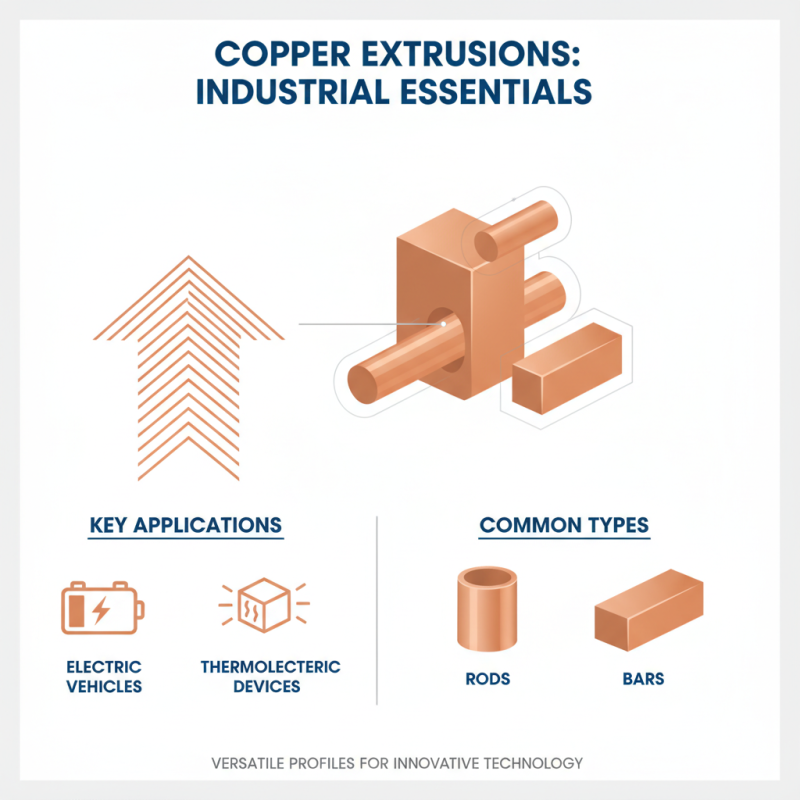
Copper extrusions are really important across a bunch of industries, from electronics to building things. As John Smith, a top expert at Copper Solutions Inc., puts it, “Copper extrusions are essential for boosting both conductivity and durability.” That pretty much sums up why they’re so critical in manufacturing.
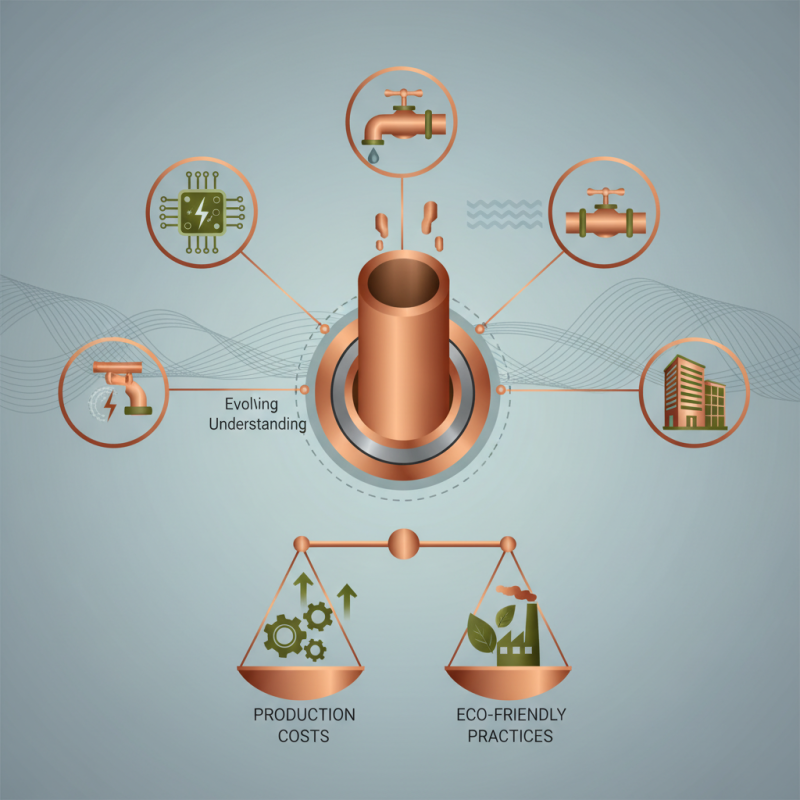
Basically, the process involves shaping copper into different profiles by pushing it through a die. This allows for creating all sorts of forms like rods, tubes, and bars. These shapes are used for so many things — electrical parts, plumbing, even architectural details. That said, our understanding of copper extrusions is still evolving, and the industry faces some hurdles, like high production costs and the push for greener, more eco-friendly practices.
All in all, copper extrusions have a lot of potential, but there are definitely challenges to tackle. They’re super versatile and efficient, no doubt, but addressing sustainability issues is becoming more and more important. Moving forward, it’s pretty clear that the industry needs to find ways to handle those challenges so copper extrusions can keep meeting all these different needs without missing a beat.
What is Copper Extrusion?
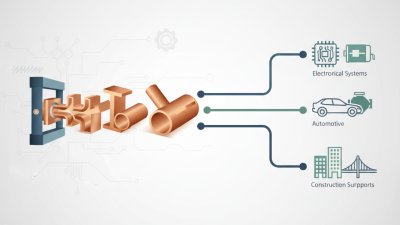
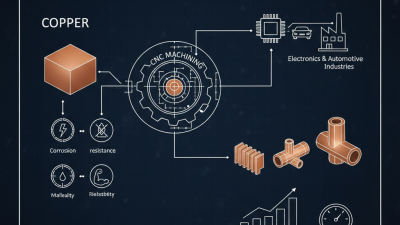
Copper extrusion is a manufacturing process that forms copper into specific shapes. This process involves heating copper until soft, then forcing it through a die. The result is a long piece of copper with a constant cross-section. Copper extrusions are used in many industries, including electrical, construction, and automotive. The durability and conductivity of copper make it an ideal material for these applications.
According to a report by MarketsandMarkets, the global copper extrusion market is expected to grow significantly. By 2025, the market size could reach over $12 billion. This growth is driven by increased demand in electrical applications. Copper's excellent thermal and electrical conductivity makes it essential for wiring and components in various devices. Notably, copper extrusions are also used in plumbing and HVAC systems.
**Tips:** When working with copper extrusions, always consider the heat treatment options. Different temperatures can affect the hardness and ductility of the material. Keep in mind that imperfections during the extrusion can lead to weaknesses in the final product. Testing the extrusions for quality ensures they meet industry standards.
Copper Extrusion Applications
The Process of Copper Extrusion
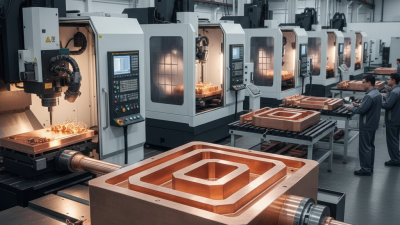
Copper extrusion is a fascinating process with various industrial applications. In this process, copper is heated and pushed through a die to create shapes like rods and tubes. The temperature is critical, typically ranging from 800 to 1100 degrees Celsius. This high heat makes the copper malleable. However, improper heating can cause defects in the final product.
The demand for Copper Rod Extrusions is growing. Reports from industry analyses project an annual compound growth rate of 5.2% through 2030. Industries such as construction and electronics are leading this demand. Copper's conductivity makes it ideal for electrical applications. Yet, sourcing high-quality copper material can be challenging. Inconsistent quality leads to issues in extrusion, potentially compromising product integrity.
Challenges in the copper extrusion process require careful monitoring. The die design must match the intended shapes precisely. Over time, repeated use may lead to wear and tear, necessitating adjustments. Addressing these imperfections is crucial for maintaining quality standards. Despite these hurdles, the versatility and reliability of copper rod extrusions make them a staple in modern manufacturing.
Types of Copper Extrusions
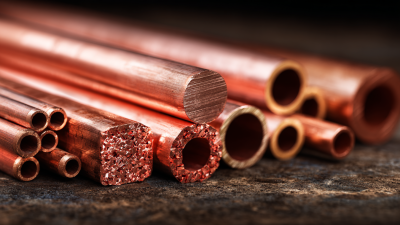
Copper extrusions are vital in various industrial applications. These profiles are shaped from copper materials, becoming essential components in thermoelectric devices and electric vehicles. There are several types of copper extrusions, each serving unique needs. Common varieties include shapes like rods, tubes, and bars.
Copper Tube Extrusions are particularly notable. They are widely used in plumbing and HVAC systems. Their durability and corrosion resistance make them ideal for these applications. The global demand for copper tube extrusions is projected to increase, driven by urbanization and infrastructural development. According to a recent industry report, the market is expected to grow at a compound annual growth rate (CAGR) of around 4.5% through 2026.
Another type is profile extrusions. These can include custom designs for specialized applications. Industries often face challenges when sourcing the right profiles. Not all manufacturers can meet specific requirements. This often leads to delays and increased costs. Companies must assess their needs carefully to avoid these pitfalls. Proper planning and collaboration with suppliers can help mitigate such issues.
Applications of Copper Extrusions in Various Industries
Copper extrusions are widely used across various industries due to their outstanding properties. These applications range from electrical components to automotive parts. In transportation, Copper Alloy Extrusions are critical for electrical wiring and connectors. According to a recent industry report, the demand for copper extrusions in automotive manufacturing has grown by 15% over the past two years. This increase highlights the industry's shift towards electric vehicles, which rely heavily on advanced electrical systems.
In the construction sector, copper extrusions are prominent in plumbing and roofing applications. The material's resistance to corrosion makes it an ideal choice for pipes and architectural features. A recent analysis showed that the construction industry accounts for nearly 20% of global copper consumption. However, there are challenges too. As sustainable practices become more vital, the extraction and processing of copper must be examined thoroughly. There is a need to address the environmental impact associated with copper production.
Manufacturers are feeling pressure to innovate. While the demand for copper alloy extrusions is surging, there are concerns about supply chain sustainability. The industry must consider recycling and using scrap materials to reduce dependence on mining. Balancing efficiency and environmental responsibility will be essential in shaping the future of copper extrusions across multiple sectors.
Advantages of Using Copper Extrusions
Copper extrusions are gaining traction in various industries due to their exceptional properties. One significant advantage is their excellent electrical conductivity. According to the Copper Development Association, copper has a conductivity of 97% IACS, making it a favored choice in electrical components. This high conductivity translates to lower energy losses and improved efficiency in applications.
Another key benefit is the inherent resistance to corrosion. Copper extrusions, especially when alloyed, can withstand harsh environments. The U.S. Geological Survey highlights that copper’s natural resistance can extend product life. This means that manufacturers can rely on copper extrusions in diverse applications, from plumbing to automotive parts.
Manufacturers also appreciate the versatility of copper extrusions. They can be shaped into various profiles to meet specific requirements. However, this flexibility necessitates careful planning and design. Some processes may lead to waste or require re-engineering if not executed properly. This complexity can pose challenges for engineers in achieving the desired outcome efficiently. Despite these drawbacks, the benefits of copper extrusions far outweigh the challenges in most scenarios.
Comparison with Other Metal Extrusions
Copper extrusions are unique in the metalworking world. They offer distinct advantages over other metal types. While aluminum and steel are common, copper stands out with its superior conductivity. This feature is crucial for electrical applications. In contrast, aluminum is lightweight but less conductive. Steel, too, is strong but often lacks the electrical properties needed in specific sectors.
Another aspect to consider is durability. Copper extrusions resist corrosion better than aluminum. This makes them ideal for outdoor applications. However, copper can be heavier, posing challenges during installation. Furthermore, the cost of copper is typically higher than aluminum. This cost difference can affect project budgets significantly.
Manufacturers sometimes overlook these factors when choosing materials. Decisions should consider the specific use case. Balancing cost, weight, and functionality is vital. Copper may not always be the best choice for every project. But for areas requiring exceptional conductivity and durability, it often shines in comparison to its competitors.
Future Trends in Copper Extrusion Technology
The future of copper extrusion technology is evolving rapidly. Innovations in manufacturing processes are shaping how copper is used. Companies are exploring new techniques to improve efficiency and reduce waste. For instance, advancements in 3D printing methods enable precise Copper Angle Extrusions. These methods allow for more intricate designs and applications.
Another trend involves sustainability. There is a growing emphasis on environmentally friendly practices. Recycling copper is becoming more common in production. It not only conserves resources but also lowers costs. Additionally, integrating smart technologies into the extrusion process is gaining traction. This includes the use of sensors to monitor conditions in real-time, optimizing production flow.
However, challenges remain. The industry must adapt to fluctuating material costs and supply chain issues. There are also concerns regarding the skills gap in the workforce. As technology advances, training for workers becomes crucial. Moreover, as demand increases for custom extrusions, businesses must remain flexible. Balancing innovation with practicality will require constant evaluation and adjustment in strategies.
FAQS
: You can consider running, cycling, swimming, or group classes. Find what interests you.
Aim for at least three to five times a week. Balance is key to effective fitness.
Opt for light, nutritious snacks like fruit or yogurt. Avoid heavy meals to prevent discomfort.
Set small, achievable goals. Tracking progress can help, but perfection isn’t necessary.
Yes, soreness is common, especially for beginners. Listen to your body and rest if needed.
Light exercise might energize you. However, it's okay to take a break and rest.
Research techniques or get guidance. Learning proper form is crucial to prevent injury.
Change your routine or increase intensity. A shift can help overcome stagnation in progress.
Results vary by individual. Consistency and patience are vital; some see changes in weeks.
Explore outdoor activities, dance classes, or sports. Finding joy in movement is important.
Conclusion
Copper extrusions are aluminum products created by forcing heated copper through a shaped die, resulting in various profiles and forms. The process involves heating the copper until it becomes malleable, followed by extrusion, cooling, and cutting to the desired lengths. There are several types of copper extrusions, including solid bars, hollow tubes, and structural shapes, each serving unique purposes across diverse industries such as electrical, automotive, and construction.
The advantages of using copper extrusions include excellent electrical conductivity, corrosion resistance, and the ability to create complex shapes. Compared to other metal extrusions, copper offers superior thermal properties, making it ideal for specific applications. As industries continue to evolve, future trends in copper extrusion technology hint at advancements in sustainable practices and enhanced manufacturing techniques, further solidifying its role in modern engineering solutions.