
01
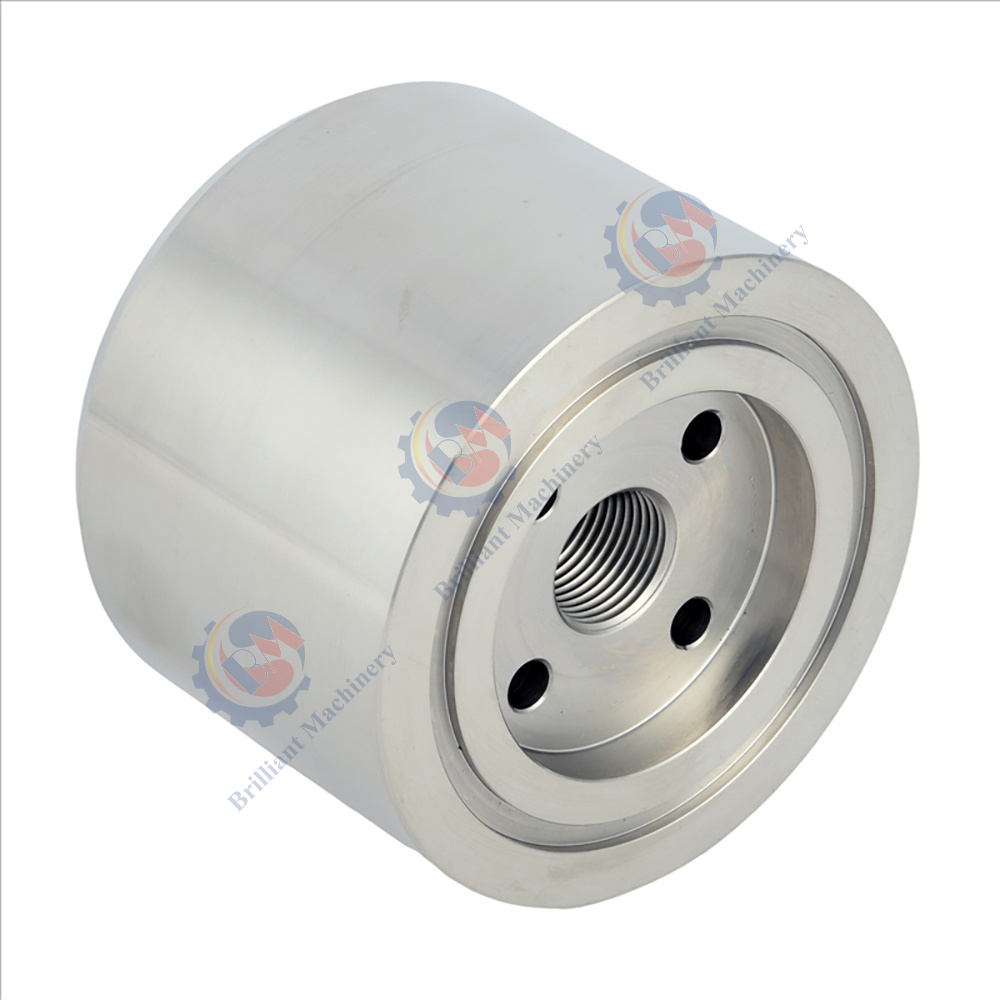
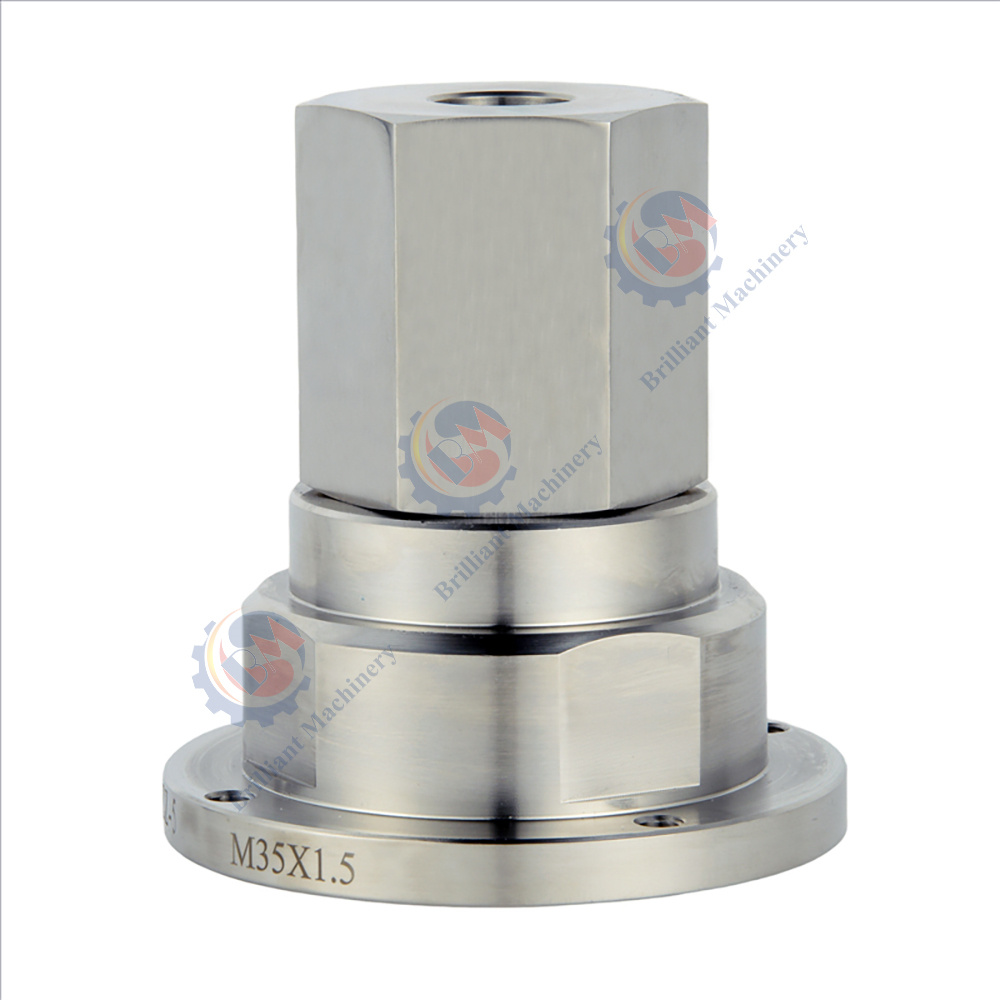
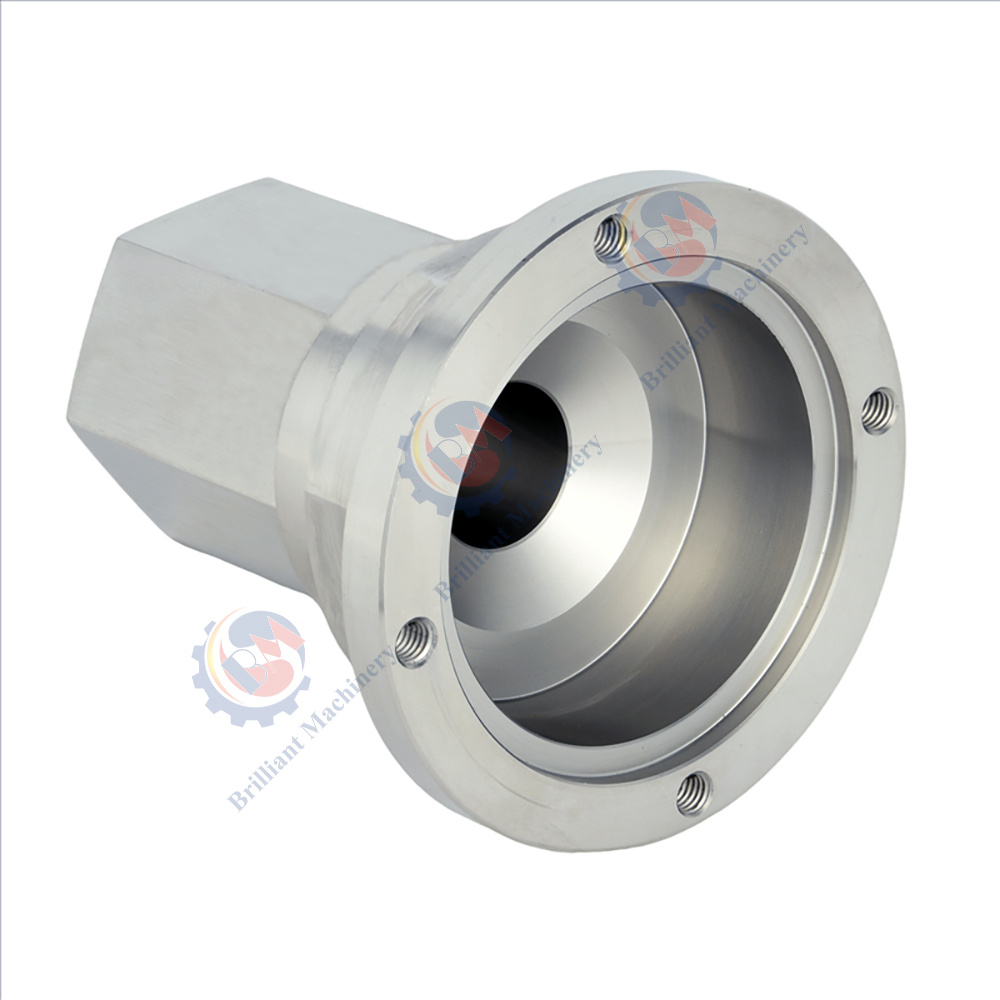
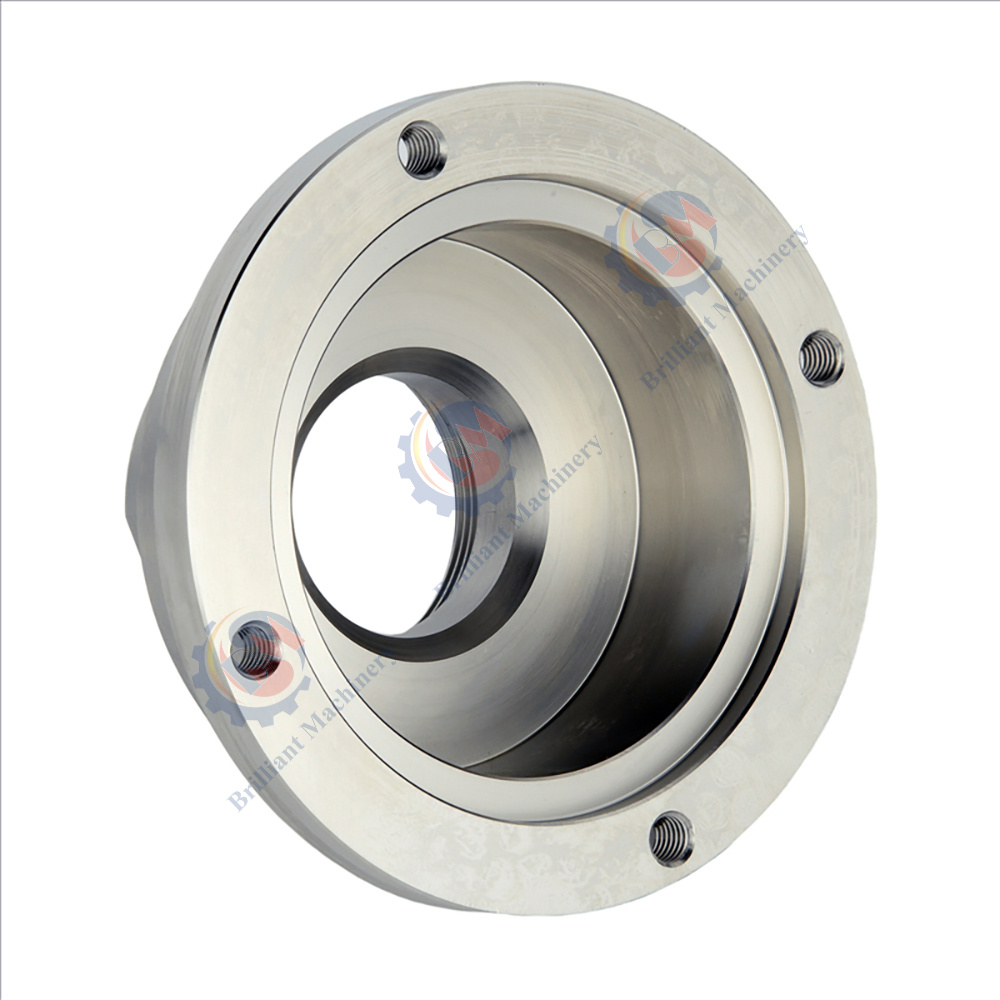
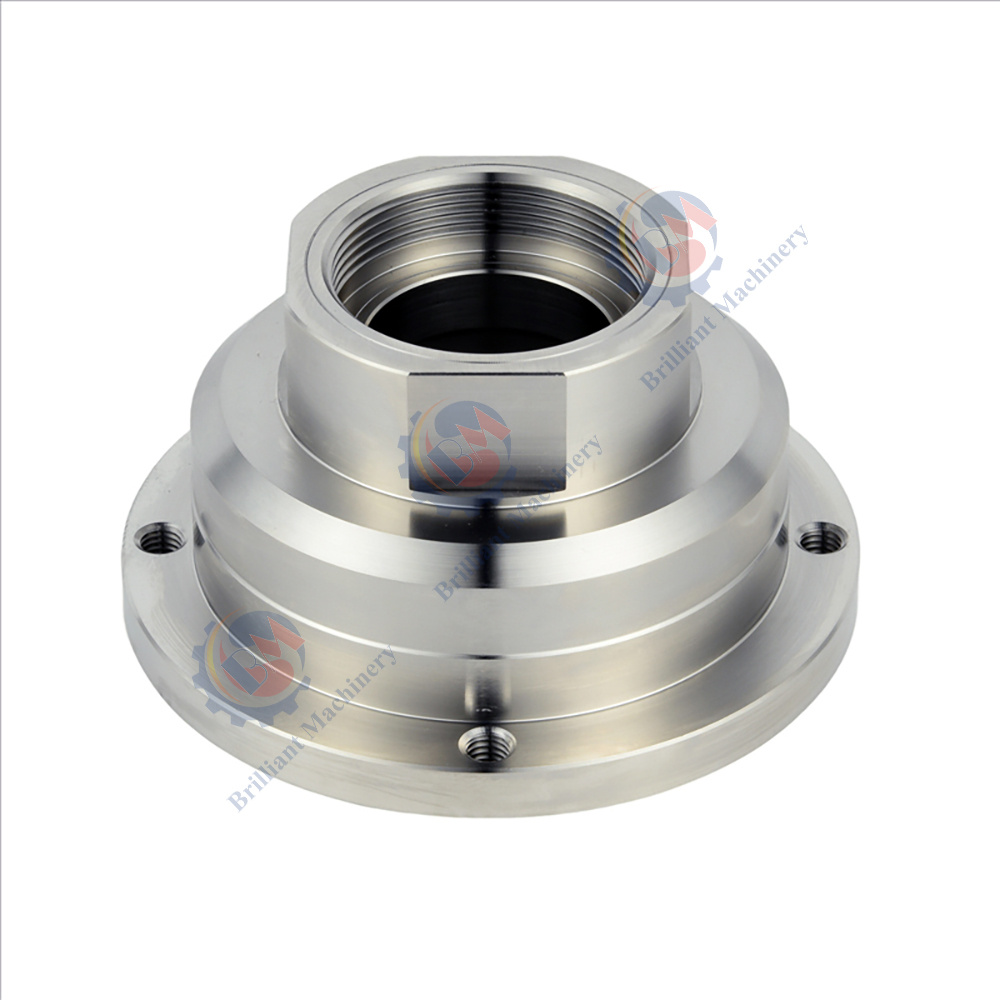
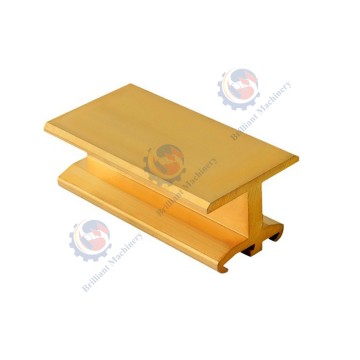
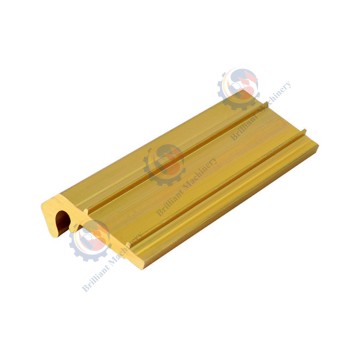
CNC Milling Parts for Tooling and Machining
Material
• Tool Steel: The common use is in tooling because it is abrasion-resistant as well as hard, making it ideal in cutting tool manufacturing as well as in making abrasion-resistant molds.
• Aluminum Alloys: The tough although light weighted aluminum alloys are suitable in high strength-to-weight ratio parts that are used in fixturing as also in jigs.
• Stainless Steel: Because of its durability, stainless steel is also extensively utilized in those areas that are supposed to be in harsh environments.
• Titanium Alloys: The high resistance to corrosion combined with high strength-to-weight ratio in titanium makes it a material that is ideal in high-performance component in terms of tooling.
• Carbon Steel: Being cost effective as well as tough, carbon steel is also utilized in those areas that are not as much degraded but have a requirement for toughness as well as durability.
Specifications
• Precision Tolerance: The component is generally made with very high tolerances, sometimes as high as ±0.005 mm, in an effort towards having a high level of precision in instrument manufacturing.
• Size Range: The machines are from small light buildings to large complex machines, from a few mm in dimension to over a meter in diameter.
• Surface Finish: The surface is available in a variety of surface finishes from ordinary matte finishes up to highly polished surfaces, as specified in a given tool.
Production Processes
1. CAD Design: Every CNC milling project begins with a detailed CAD model, designed to meet specific tool requirements and machining specifications.
2. CNC Milling: The manufacturing process is essentially cutting and shaping material with high-end CNC machines according to design from the CAD. The process can be a mix of varied methods in milling from face milling, contour milling, drilling.
3. Post-Processing: After initial stage milling, parts can be heat treated, ground, or be coated in order to give additional properties as well as toughness in application with a tool.
4. Assembly: If machined parts are component parts in a large fixative or a big tooling, these are shaped into a final form by assembling in position with some more parts like screws or attachment clips.
Quality Test and Inspection
• Dimensional Checks: A sequence of dimensional dimensions are taken in order to verify that each component is as per specification, with high precision instruments i.e. micrometers and CMM (Coordinate Measuring Machine).
• Material Testing: The material is non-destructive tested in order to preserve its quality and determine whether it is free from defects or flaws.
• Performance Testing: Tooling parts are tested in terms of functionality, i.e., simulative stressing and hardness testing, in order to ensure that they can achieve the specified operational requirements.
Key Features
• High Precision: CNC milling is highly accurate with minimal deviations in terms of tolerance in its output, resulting in highly functional tooling parts.
• Complex Geometry: CNC machining is also able to produce complex contours as much as forms, hence making it appropriate in manufacturing moulds, as much as complex tool geometry.
• Durability: The quality material utilized, in addition to accurate manufacturing, makes tooling parts durable in withstanding high usage as well as adverse environmental conditions.
• Customizable Designs: The CNC milling can be made customizable in parts, hence a possibility on a case basis in a bid to attain a design requirement.
Industry Applications
• Mold and Die Production: CNC turning is also heavily involved in producing moulds, die-castings, as well as other high-tolerance dies that are used in manufacturing industrial products.
• Fixture Design: The fixturing components are fabricated from CNC milling in order to achieve precision positioning as well as manufacturing aligning.
• Machine Components: CNC turning is also involved in manufacturing accurate parts that are used in manufacturing machines as much as in machinery devices, i.e., gears, shafts, and brackets.
• Prototype Production: The precision achieved with CNC milling is perfect for quick production of prototypes as well as specialized tooling for a new product line or design.
Packaging and Storage
CNC milled parts are carefully packaged to prevent damage during transport. They are often wrapped in protective materials like foam, bubble wrap, or plastic sheeting and secured in sturdy crates or cartons. Parts should be stored in a dry, temperature-controlled environment to maintain their structural integrity and prevent corrosion.
Shipment
After quality inspection is finished, ready parts are sent out in shipments via reliable logistic solutions. Shipments can be made either by plane, ship, or ground, depending on both destination location as well as order expediency. Each shipment is supported with appropriate documentation, in addition to quality inspection report as well as conformity certificates, in order to ensure quality as well as traceability.